Mochi: A Handwritten Font for Authentic Design
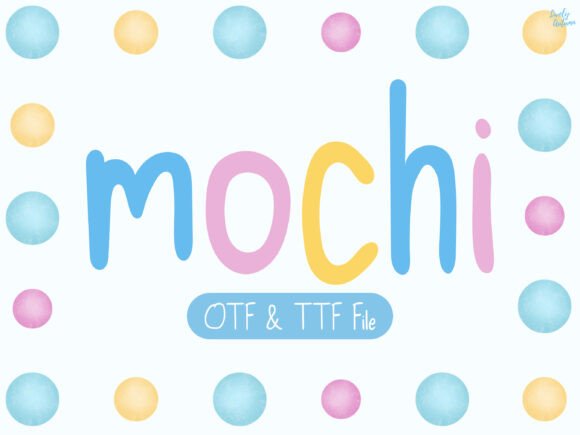
Finding the perfect typeface can transform a good design into an unforgettable one, especially when aiming for a personal, approachable aesthetic. Mochi is a cute handwritten font designed to inject warmth and character into a wide array of creative projects. Its charming, organic letterforms make it an invaluable asset for designers seeking to bridge the gap between professional polish and human connection.
The Role of Handwritten Typography in Modern Design
In an era dominated by clean, geometric sans-serifs, a well-crafted handwritten font like Mochi offers a powerful counterpoint. It taps into current design trends that favor authenticity and tactile appeal. From a visual hierarchy perspective, using Mochi for headlines, callouts, or logos immediately draws the eye and establishes a distinct tone. This typographic choice directly influences brand identity, signaling creativity, friendliness, and individuality—qualities that resonate deeply in digital marketing and social media graphics.
Practical Applications for the Mochi Font
The versatility of a handwritten font is its greatest strength. Mochi's complete character set—featuring uppercase, lowercase, numbers, and punctuation—ensures it is not just decorative but fully functional. Consider integrating it into the following areas to elevate your visual design:
- Branding & Logo Design: Create memorable logos, wordmarks, or brand assets for lifestyle brands, bakeries, or boutique studios. Its personality helps build a strong brand identity.
- Marketing Materials: Design eye-catching flyers, brochures, and posters for events, sales, or product launches where a personal touch is needed.
- Social Media & Web Design: Craft engaging Instagram stories, quotes, and blog graphics. In UI design, use it sparingly for buttons or headers to guide user engagement.
- Packaging & Merchandise: Apply it to product labels, thank-you cards, stickers, or apparel mockups. It adds a handmade feel to packaging design.
- Editorial & Digital Products: Enhance e-books, worksheets, journal pages, or presentation decks with unique section titles and annotations.
Integrating Mochi into Your Design Workflow
To use a font like Mochi effectively, thoughtful application is key. Always prioritize readability; reserve it for shorter text blocks rather than lengthy paragraphs. When pairing, combine it with a neutral, legible serif or sans-serif for body copy to maintain a clean visual hierarchy. Evaluate its scalability by testing it at various sizes to ensure legibility across print design and digital screens. Furthermore, ensure its whimsical style aligns with your project's goals and audience expectations—a playful font may not suit a corporate law firm's website but is perfect for a children's brand.
Successful graphic design hinges on the harmony between all elements—typography, color palette, imagery, and composition. A resource like the Mochi font, provided in both OTF and TTF formats, offers the flexibility needed for a seamless design workflow. By making deliberate, quality-focused choices in your creative assets, you ensure your projects are not only aesthetically pleasing but also communicate your message with clarity and personality.