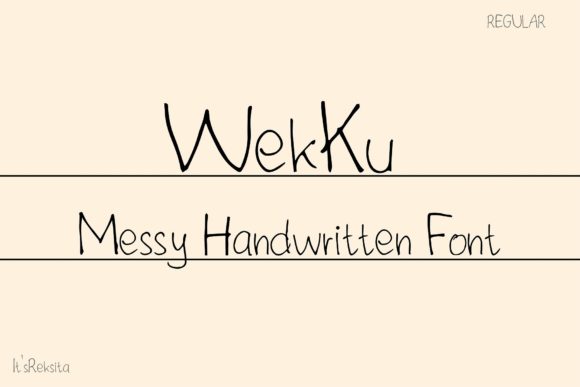
Wekku: The Messy Handwritten Font for Playful Design
In a world saturated with sleek digital interfaces, the human touch is a powerful differentiator. Wekku is a messy handwritten font that delivers exactly that. With its hand-carved and cozy-looking characters, this font will transform your projects into an informal, playful design with unique and informal accents, instantly creating a sense of authenticity and warmth that polished typefaces often lack.
The Role of Handwritten Fonts in Modern Branding
Effective visual communication hinges on emotional connection. While clean sans-serifs convey modernity and professionalism, a typeface like Wekku introduces personality. It breaks the sterile perfection of digital design, mimicking the imperfect strokes of a marker or pen. This approach aligns with current design trends favoring authenticity, handmade aesthetics, and approachable brand identities. For a graphic designer, choosing such a typeface is a strategic decision to inject humanity into a layout.
When integrated thoughtfully, this style of typography can strengthen a brand’s voice. It suggests creativity, friendliness, and a casual confidence. This makes it an invaluable creative asset for businesses aiming to appear relatable and innovative rather than corporate and distant.
Practical Applications for Creative Projects
The versatility of a handwritten font extends across numerous design disciplines. Its informal nature makes it ideal for projects where engagement and personality are paramount.
- Branding and Logo Design: Use it for wordmarks in lifestyle, food, or artisanal industries to convey craftsmanship. It works well for secondary logos or brand sub-marks.
- Social Media Graphics: Capture attention in crowded feeds. Its cozy characters are perfect for quotes, announcements, and story overlays, enhancing visual hierarchy with a personal accent.
- Website and UI Design: Apply it sparingly in hero sections, pull quotes, or call-to-action buttons to guide user experience (UX) with a friendly nudge. Ensure it doesn’t compromise readability in body text.
- Packaging Design: Elevate product labels, especially for organic goods, baked items, or cosmetics, to suggest a homemade or small-batch quality.
- Editorial Layouts: Break up dense text in magazines or blogs. Use it for headlines or section dividers to create visual interest and improve the reading flow.
- Marketing Materials: From flyers to email headers, it adds a direct, personal touch to advertising campaigns, making communications feel less like a broadcast and more like a conversation.
Integrating Typography with Overall Design
Success with a font like Wekku lies in balance. It should complement, not clash with, other elements of your design workflow. Pair it with a neutral, highly legible sans-serif for body text to maintain professionalism and readability. Consider your color palette; earthy tones or soft pastels often enhance its cozy vibe, while high-contrast colors can make it pop.
Always test scalability. A font that looks charming at a large size on a poster may become illegible when reduced for a mobile UI. Evaluate its performance across different mediums—print design versus digital screens—to ensure consistent quality.
Choosing the Right Design Assets
Selecting creative resources like fonts requires a critical eye. Beyond aesthetic appeal, assess practical factors:
- Readability vs. Style: Does the font sacrifice clarity for character? Ensure it remains legible at the sizes you intend to use.
- Licensing and Compatibility: Verify the font’s license aligns with your project scope, whether for digital marketing, merchandise, or client work.
- Versatility: Does it offer multiple weights or stylistic alternates? This flexibility can extend its utility across various design applications.
Thoughtful design is about more than assembling attractive parts; it’s about creating a cohesive system where every element, from typography to imagery, serves a clear purpose. A well-chosen asset like a distinctive handwritten font can be the catalyst that elevates a project from competent to compelling, ensuring your visual message is not only seen but felt.