Alstroemeria: Elevating Design with Handwritten Charm
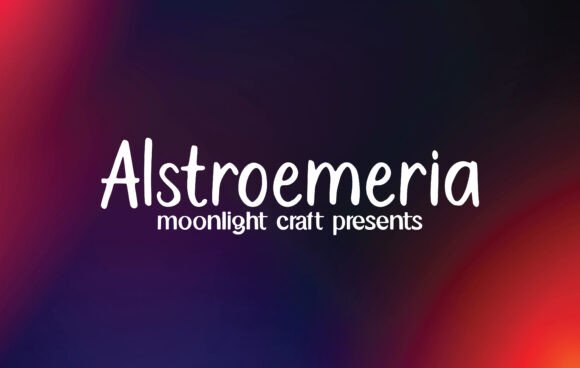
In the crowded landscape of digital typography, finding a font that balances personality with professionalism is a rare discovery. This is precisely where Alstroemeria, a lovely and beautiful handwritten font, excels. It possesses the potential to take your creative ideas to the highest level, offering a distinct blend of organic warmth and contemporary elegance. For designers, marketers, and creators seeking to inject authenticity and visual appeal into their work, understanding how to leverage such a typeface is essential for effective visual communication.
The Role of Handwritten Typography in Modern Design
Handwritten fonts like Alstroemeria are more than decorative flourishes; they are powerful tools in a designer's arsenal for shaping brand perception. In an era dominated by sterile, geometric sans-serifs, a thoughtfully chosen script can create an immediate emotional connection with the audience. It signals approachability, creativity, and a human touch, which is invaluable for building a memorable brand identity. When used strategically, it helps establish a clear visual hierarchy, guiding the viewer's eye to key messages and creating focal points within a composition.
Practical Applications Across Creative Projects
The versatility of a font like Alstroemeria allows it to enhance a wide array of design projects. Its flowing, legible style makes it a superb choice for applications where personality and clarity must coexist. Consider its impact in the following contexts:
- Branding and Logo Design: It can form the core of a logo for boutique businesses, lifestyle brands, or artisanal products, conveying craftsmanship and care.
- Marketing Materials: From event invitations to promotional flyers, it adds a personal, premium feel that grabs attention.
- Social Media Graphics: Quotes, announcements, and story templates gain a dynamic and engaging quality, improving user engagement and shareability.
- Website and UI Design: Used sparingly for headers, pull quotes, or call-to-action buttons, it can break the monotony of body text and improve user experience.
- Packaging and Editorial Design: It lends itself beautifully to product labels, book covers, and magazine layouts, adding a layer of sophistication and visual interest.
Integrating Alstroemeria into Your Design Workflow
Successful implementation of any creative asset, including a distinctive font, requires thoughtful integration. To ensure Alstroemeria strengthens rather than disrupts your design, consider these practical tips. First, prioritize readability; test the font at various sizes and against different color palettes to ensure it remains legible, especially in digital contexts. Second, maintain consistency by defining specific use cases within your brand guidelines—perhaps reserved solely for primary headlines or accent text. Finally, ensure compatibility by pairing it with a simple, neutral sans-serif or serif font for body copy to create a balanced and professional presentation.
Choosing the right typography is a fundamental decision that influences every facet of a design's success. A resource like Alstroemeria offers more than just aesthetic appeal; it provides a means to communicate brand values, evoke specific emotions, and create a cohesive visual language. By thoughtfully selecting and applying such design assets, creators can significantly elevate their projects, ensuring their work not only looks polished but also resonates deeply with its intended audience. In the realm of graphic design, these deliberate choices are what transform good ideas into truly compelling visual stories.