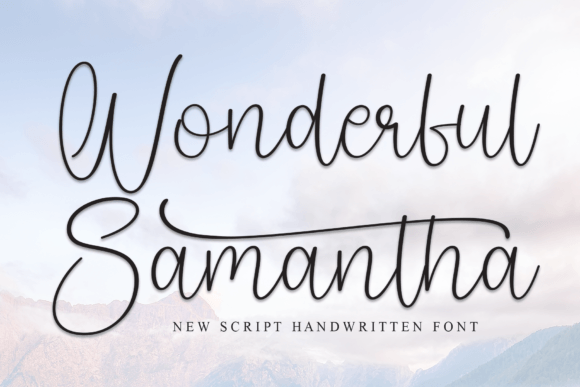
Lisa: Elevating Your Visual Design with Handwritten Elegance
Imagine a design element that instantly adds personality, warmth, and a human touch to any project. This is the power of a well-chosen handwritten font like Lisa, a resource that can transform standard graphics into compelling visual stories. In a digital landscape saturated with clean, geometric typefaces, the organic flow of a script font provides a critical point of difference, helping brands connect on a more personal and emotional level with their audience.
Understanding the Role of Typography in Modern Branding
Typography is a cornerstone of effective graphic design. It's not merely about choosing letters; it's about selecting a voice for your brand. The right typeface communicates tone, values, and personality before a single word is read. While sans-serifs convey modernity and serifs suggest tradition, a font like Lisa introduces a layer of authenticity and creativity. This makes it a valuable asset for designers aiming to build a memorable brand identity that stands out.
Key Applications for a Handwritten Font
The versatility of a script font allows it to enhance a wide array of creative projects. Its fluid character is particularly effective in contexts where you want to break away from rigid formality and inject a sense of artistry.
- Logo Design and Brand Identity: A custom-feel logo sets the stage for an entire visual system. Using Lisa for a primary wordmark or a secondary tagline can make a brand feel approachable, luxurious, or whimsical, depending on the style.
- Marketing and Social Media Graphics: Capture attention in a fast-scrolling feed. Handwritten elements are perfect for quotes, call-to-action text, and promotional banners, adding a human element that boosts engagement.
- Packaging and Product Design: From artisan food labels to cosmetic branding, a script font can convey craftsmanship and quality. It helps products tell a story on the shelf, appealing to consumers looking for something special.
- Editorial and Web Design: Use it for pull quotes, section headers, or hero text to create visual hierarchy and guide the reader's eye. It adds a dynamic contrast to body copy set in a more neutral font.
- Presentations and Digital Products: Move beyond default fonts. Incorporating a stylized typeface into slide decks or e-book covers can elevate the perceived value and professionalism of your work.
Practical Tips for Integrating Script Fonts Effectively
While a font like Lisa offers immense creative potential, its success depends on thoughtful implementation. Overuse can clutter a design, while poor pairing can create visual discord. Adhering to fundamental design principles ensures your typography enhances, rather than hinders, your communication.
First, prioritize readability. A beautiful script is ineffective if your audience cannot decipher the message. Use it for short, impactful headlines or accents, not for long paragraphs of body text. Test it at various sizes to ensure clarity across devices and print materials.
Second, master the art of font pairing. A handwritten font shines when balanced with a simpler, more structured typeface. Pair it with a clean sans-serif or a classic serif to create a pleasing contrast. This establishes a clear visual hierarchy, where the script draws attention and the companion font provides easy-to-read information.
Finally, consider consistency and context. Ensure the style of the script aligns with your overall brand personality and the expectations of your target audience. A playful, casual font might suit a lifestyle blog but could undermine the authority of a financial services firm. Always align your typography choices with your broader design goals and color palette.
In the end, the most impactful designs are built on intentional choices. Selecting high-quality creative assets like a versatile handwritten font is an investment in your project's ability to communicate effectively and leave a lasting impression. By thoughtfully integrating such elements, you ensure your work is not only seen but truly felt.