The Enduring Allure of Vintage Handwriting in Modern Design
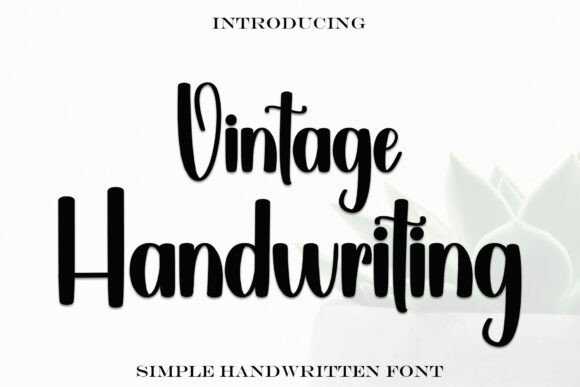
In a digital landscape often dominated by sharp, geometric sans-serifs, the organic elegance of Vintage Handwriting offers a compelling counterpoint. This trendy handwritten font, with its contemporary atmosphere and impeccable form inspired by timeless classic calligraphy, is more than just a typeface—it's a design asset that injects immediate personality, warmth, and sophistication into any creative project.
Why This Typeface Resonates Today
The power of Vintage Handwriting lies in its ability to bridge eras. It carries the authenticity and human touch of hand-lettering from a bygone era, yet its clean lines and balanced proportions make it perfectly suited for modern aesthetics. This duality makes it an invaluable tool for graphic designers and brand strategists seeking to create visual communication that feels both classic and relevant. In an age of impersonal digital interfaces, this font helps brands stand out by conveying a sense of craftsmanship, attention to detail, and emotional resonance.
Practical Applications Across Design Disciplines
The versatility of a font like Vintage Handwriting allows it to enhance a wide array of creative projects. Its elegant script can elevate a brand's visual hierarchy and overall design quality. Consider its application in these key areas:
- Branding and Logo Design: Use it for logos, monograms, or brand taglines to establish an identity that feels luxurious, boutique, or artisanal. It pairs beautifully with clean sans-serifs for a balanced brand identity system.
- Marketing and Social Media Graphics: Create eye-catching headlines for posters, flyers, or Instagram stories. Its flowing style naturally draws the eye, improving engagement for digital marketing campaigns and social media content.
- Editorial and Packaging Design: Add a touch of sophistication to book titles, magazine headers, or product packaging. On labels for cosmetics, gourmet foods, or stationery, it communicates premium quality and care.
- Web and UI Design: Use it sparingly but strategically for hero section headlines, pull quotes, or navigation accents to add personality without compromising readability or user experience.
- Presentations and Merchandise: Transform standard slides into compelling narratives or design elegant merchandise like apparel and accessories that feel unique and curated.
Integrating Vintage Handwriting Effectively
While the font is a powerful creative asset, its effectiveness depends on thoughtful implementation. Here are practical tips for designers and creators:
- Prioritize Readability and Scalability: Always test the font at various sizes, especially for smaller text or digital screens. Ensure it remains legible when scaled down for body copy or UI elements.
- Maintain Visual Hierarchy: Use it as a display font for headlines or key phrases, not for lengthy paragraphs. Pair it with a highly readable serif or sans-serif for body text to create a clear and functional hierarchy.
- Consider Your Audience and Context: While elegant, its vintage character may not suit every brand. It excels for brands targeting audiences that appreciate tradition, craftsmanship, or luxury, but may need careful pairing for more corporate or tech-focused contexts.
- Ensure System Compatibility: When building a brand identity, check that the font's style complements your existing color palette, imagery, and other typographic choices. Consistency is key to a professional presentation.
Ultimately, selecting the right typography is a fundamental design decision that shapes perception and communication. A resource like Vintage Handwriting demonstrates how a single, well-crafted font can become a cornerstone of a designer's workflow, offering both aesthetic appeal and functional versatility. By choosing creative assets that align with design goals and audience expectations, professionals can craft more compelling, cohesive, and memorable visual experiences that truly resonate.