Mindful Writing: Infusing Authenticity into Your Designs
In a digital landscape saturated with sterile, uniform text, a touch of human warmth can be the most powerful design element you possess. This is where the art of mindful typography comes into play, offering a bridge between digital precision and the organic feel of handwritten expression.
Understanding the Role of Authentic Typography
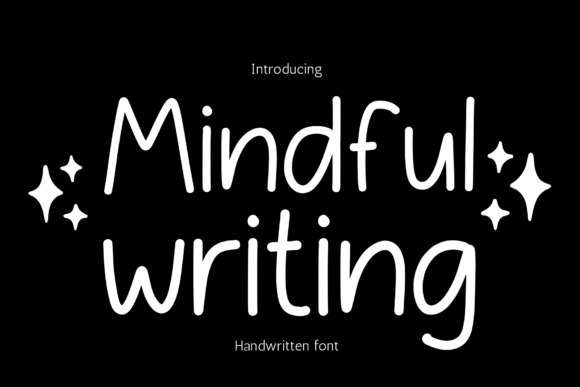
Mindful Writing is a handwritten font that embodies playfulness and authenticity. It's the perfect choice for all your favorite projects, or even for blog posts, logos, branding, ads, invitations, greeting cards, planners, photo albums, decorations, and much more. Add it to any of your designs, and enjoy the results! Its value extends far beyond mere decoration; it is a strategic tool for visual communication. In modern graphic design, typography is a cornerstone of brand identity. A font like Mindful Writing doesn't just display words; it conveys emotion, personality, and a specific tone. It can make a brand feel approachable, creative, and human, directly influencing user engagement and perception.
Practical Applications Across Creative Projects
The versatility of a well-crafted handwritten font makes it a valuable asset in any designer's toolkit. Its application can elevate numerous project types:
- Branding and Logo Design: Use it for logos, taglines, or brand marks that aim for a personal, artisanal, or boutique feel. It helps a brand stand out with a unique signature style.
- Marketing Materials: Incorporate it into social media graphics, email headers, and digital ads to create eye-catching focal points that break the monotony of standard sans-serifs.
- Editorial and Web Design: Apply it to pull quotes, section headings, or blog post titles to add visual interest and guide the reader's eye, improving the overall user experience (UX).
- Packaging and Print Design: On product labels, invitations, or greeting cards, it adds a tactile, premium quality that suggests care and craftsmanship.
- Digital Products and Presentations: Enhance slide decks, e-books, or online course materials with headings that feel engaging and less corporate, improving information retention.
Integrating Fonts into Your Design Workflow
Selecting the right creative asset is only the first step. Effective integration requires thoughtful consideration of your broader design system. Always evaluate a font's readability at various sizes, especially for UI design or smaller text blocks. Ensure consistency by pairing it with complementary neutral fonts for body text to maintain a clear visual hierarchy. Consider your color palette; a handwritten font often pairs best with simple, high-contrast colors that don't compete with its detailed strokes. Test its scalability across different mediums—from a small mobile screen to a large print banner—to ensure it retains its character.
Elevating Communication with Thoughtful Choices
Ultimately, the goal of any design element is to enhance communication. A font like Mindful Writing, when used strategically, can transform a generic message into a personal conversation. It supports modern aesthetics that favor authenticity over perfection, helping creators and businesses build a more relatable and memorable visual presence. By investing in high-quality, expressive typography, you are not just decorating a page; you are crafting an experience, strengthening your brand narrative, and ensuring your message resonates on a deeper, more human level.