Charlotte Ornamental: A Designer's Guide to Elegant Typography
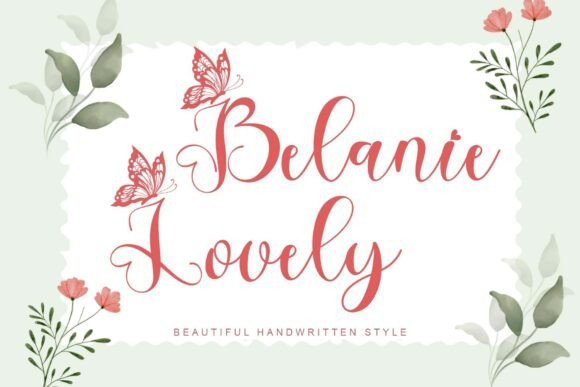
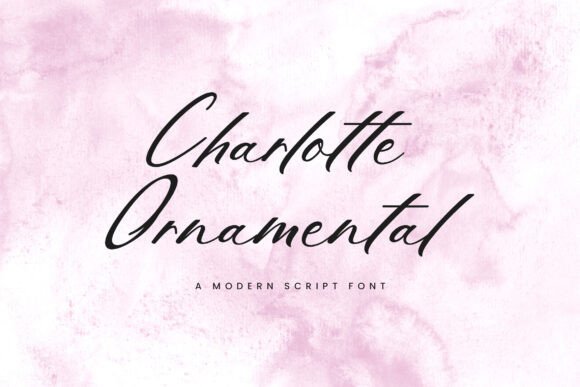
In the crowded landscape of digital and print design, the right typeface can instantly elevate a project from ordinary to extraordinary. Charlotte Ornamental is a beautiful handwritten font that features elegant, flowing letters. Its unique style combines playful curves with a charming, decorative touch, making it perfect for invitations, greeting cards, and other creative projects. This font adds a personal and artistic flair to any design, serving as a powerful tool for designers seeking to inject warmth, sophistication, and a human touch into their visual communication.
Understanding the Role of Script Fonts in Modern Branding
Typography is a cornerstone of visual design, directly influencing brand identity, user perception, and emotional response. Script fonts like Charlotte Ornamental play a specific and vital role. They convey personality, tradition, and elegance in ways that standard sans-serif or serif fonts cannot. For graphic designers, selecting such a font is a strategic decision. It's not merely about aesthetics; it's about aligning the typographic voice with the brand's core message. A font with ornamental qualities can signal luxury, creativity, or artisanal quality, making it a valuable asset in a designer's toolkit for specific applications.
Key Characteristics That Define Its Utility
- Visual Flow and Readability: The connected, flowing letters of script fonts guide the eye smoothly, creating a natural reading rhythm in short-form text like logos or headlines.
- Emotional Appeal: Ornamental styles evoke feelings of nostalgia, celebration, and personal connection, which is crucial for brands in lifestyle, wedding, and luxury sectors.
- Distinctiveness: A well-chosen script font helps a brand stand out, creating a memorable visual signature that competitors cannot easily replicate.
Practical Applications for Creative Projects
The true value of a creative asset like Charlotte Ornamental lies in its versatility. Its design is particularly effective for projects where a personal, handcrafted, or upscale feel is desired. Integrating it thoughtfully into your design workflow can enhance various materials.
For branding and logo design, it can craft elegant logotypes for boutiques, bakeries, or personal brands. In marketing materials, it elevates brochures, flyers, and event invitations. On social media, it creates eye-catching quotes, announcements, and story graphics that stop the scroll. Even in packaging design, it adds a premium, artisanal label to products, and for editorial layouts, it brings beautiful, standout pull quotes or chapter headings to life.
Strategic Implementation for Maximum Impact
Using ornamental typography effectively requires more than just swapping out a font. It demands a strategic approach to visual hierarchy and design goals. Overuse can clutter a layout and harm readability, especially in body copy. The key is contrast and context.
- Pair with Simplicity: Always pair a decorative script like Charlotte Ornamental with a clean, neutral sans-serif font for body text. This creates a clear visual hierarchy, ensuring the ornamental font remains a focal point without sacrificing overall readability.
- Consider the Context: Evaluate your audience and medium. A flowing script is perfect for a wedding website's hero section but may be inappropriate for a corporate finance report's main headings. Align the font's personality with user expectations.
- Test for Scalability: Check how the font renders at various sizes. Ornamental details can become muddled at very small sizes on low-resolution screens, so ensure it remains legible in its intended use case, whether for a large poster or a digital ad thumbnail.
Thoughtful design is about intentionality. Every element, from the color palette to the choice of typography, should serve a purpose in the broader visual narrative. Quality creative assets like Charlotte Ornamental provide designers with the means to execute their vision with precision and flair. By understanding its strengths and applying it judiciously, you can transform designs, ensuring they communicate not just information, but also feeling and identity, ultimately leading to more engaging and professionally polished outcomes.