Ahmed: The Handwritten Font Elevating Modern Design
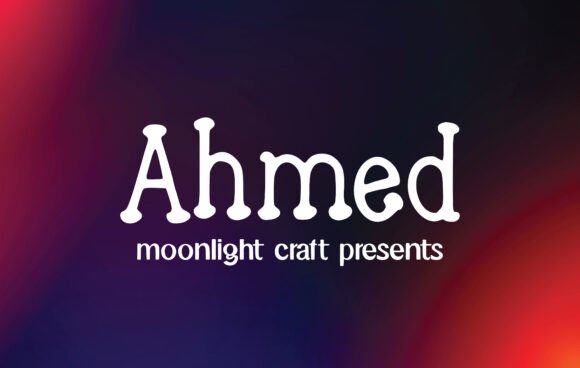
In the crowded landscape of digital typography, finding a font that conveys genuine emotion and authenticity can be transformative. Ahmed is a lovely and beautiful handwritten font that does precisely that, offering designers a tool to inject warmth, personality, and a human touch into their creative projects. This font has the potential to take your creative ideas to the highest level, making it a versatile asset for a wide range of applications where connection and visual impact are paramount.
Understanding the Role of Handwritten Typography in Design
Typography is a cornerstone of visual communication, and the choice of typeface profoundly influences how a message is received. While sans-serifs and serifs project stability and tradition, handwritten fonts like Ahmed introduce an element of approachability and authenticity. In an era where consumers crave genuine brand interactions, this style of typography can break through the noise, creating an immediate emotional resonance that more formal fonts may struggle to achieve. It speaks to a desire for the personal in our increasingly digital world.
Practical Applications for the Ahmed Font
The true value of a creative asset lies in its versatility. Ahmed excels across numerous design contexts, making it a valuable component of any designer's toolkit.
- Branding and Logo Design: A logo sets the tone for an entire brand identity. Using Ahmed for a logo or wordmark can instantly communicate a brand's personality as friendly, creative, artisanal, or personal, which is ideal for boutiques, cafes, lifestyle brands, and personal portfolios.
- Marketing and Social Media Graphics: Capture attention in a fast-scrolling feed. Ahmed is perfect for creating eye-catching quotes, promotional headlines, and call-to-action text on social media posts, email headers, and digital ads, adding a layer of visual interest that encourages engagement.
- Editorial and Web Design: In editorial layouts or on a website, a handwritten font can be used for pull quotes, subheadings, or special announcements to create a focal point and guide the reader's eye, improving the overall user experience through varied visual hierarchy.
- Packaging and Merchandise: Physical products benefit immensely from thoughtful typography. Ahmed can enhance packaging design, product labels, and merchandise by adding a crafted, bespoke feel that elevates the perceived value of the item.
Integrating Ahmed into Your Design Workflow
Effective use of any typeface requires strategic thinking. To maximize the impact of Ahmed, consider these practical guidelines for your design workflow.
First, prioritize readability. While beautiful, handwritten fonts are best used for shorter text elements like titles, logos, or highlights, not for lengthy body copy. Ensure legibility by testing it at various sizes and against different backgrounds. Second, think about visual hierarchy. Pair Ahmed with a clean, simple sans-serif font to create a balanced and professional presentation. The contrast will make both typefaces stand out, with Ahmed drawing attention to key messages.
Finally, maintain brand consistency. If incorporating Ahmed into a brand identity, ensure its use aligns with the overall color palette, imagery, and brand voice. Its application should feel intentional and cohesive across all touchpoints, from digital marketing materials to print design, to strengthen the brand's visual system.
Choosing the right typography is a fundamental design decision that impacts aesthetics, communication, and audience perception. A thoughtfully selected font like Ahmed does more than just display words; it conveys mood, builds character, and can significantly enhance the creative quality of a project. By understanding its strengths and applying it with purpose, designers and creators can leverage such assets to produce more engaging, memorable, and effective visual communication.